How to Study the Bible Effectively for Beginners
If you are new to Bible study, start with a short passage rather than trying to understand an entire book at once. Read it carefully, notice what it says, consider its context, and write down one way to put what you learned into practice. You do not need to know every answer before you begin.
Here are six simple steps you can return to each time you study:
- Choose a Bible translation you can understand.
- Start with a manageable book, such as the Gospel of John.
- Set aside 10–15 minutes in a place where you can focus.
- Pray for understanding before you read.
- Use a method such as SOAP to guide your notes.
- Discuss what you are learning with other believers.
How do you start studying the Bible?
Choose a readable translation
The New International Version (NIV), New Living Translation (NLT), and English Standard Version (ESV) are three translations you may want to compare. Read a short passage in more than one translation if a sentence is difficult to understand. A study Bible can also provide introductions, maps, and notes that explain historical context.
Begin with a short passage in John
The Gospel of John introduces Jesus through his words, actions, and conversations with others. Read one section at a time. Before moving on, ask: Who is speaking? Who is being addressed? What happens in this passage? What does it tell me about God or the people involved?
You can read the other Gospels as you grow more comfortable. There is no need to rush through a reading plan if you are still working to understand what you have read.

Make a small, repeatable commitment
Choose a time you can keep, even if you have only 10–15 minutes. Keep your Bible and a notebook nearby. Write down questions you cannot answer yet; they can guide your next study or a conversation with someone at church. A consistent, thoughtful practice is more useful than a demanding schedule you cannot sustain.
Three Bible study methods for beginners
SOAP gives you a simple structure for personal study. Inductive study helps you examine a passage more closely before deciding what it means. Topical study helps you explore a question across multiple passages. Start with one method and change it when another better fits what you are trying to learn.
The SOAP method: Scripture, Observation, Application, Prayer
- Scripture: Read a short passage and write down its reference or a key sentence.
- Observation: Note what the passage actually says. Look for repeated words, instructions, contrasts, and the people involved.
- Application: Consider one response that fits the meaning of the passage.
- Prayer: Pray about what you learned and the response you hope to make.
A simple example: Read John 15:1–8, where Jesus uses the picture of a vine and its branches. In your observation notes, record who Jesus is speaking to and what the vine and branches represent within the passage. For application, consider a specific way you can make time to remain attentive to Jesus’ teaching this week. Your prayer can ask for help putting that decision into practice. Then read the surrounding chapter so your notes stay connected to the passage’s context.
This example is a starting point for study, not a substitute for reading the full passage or discussing difficult questions with a trusted teacher.
Inductive Bible study: Observe, Interpret, Apply
Inductive study slows you down before you jump to a personal conclusion:
- Observe: What does the passage say? Who wrote it, and to whom?
- Interpret: What did these words mean in their surrounding chapter and book?
- Apply: How might the passage shape your beliefs or actions?
Try this method when a passage raises questions or when you are studying with a group. It helps everyone begin with the same text before sharing personal responses.
Topical study: Follow a question across Scripture
A topical study begins with a question, such as “What does the Bible say about forgiveness?” Use a concordance or Bible app to locate relevant passages, then read each one in context. Avoid building an answer from isolated verses. Note where passages address different situations or audiences.
How can you understand what you read?
Read the surrounding verses. A sentence can sound different when separated from the conversation, story, or argument around it. Read the paragraph and, when possible, the chapter.
Write down what is clear and what is uncertain. You can understand a passage’s main point while still having questions about a word or historical detail. Keep those questions in your notes rather than guessing.
Use study tools as aids. Introductions, cross-references, Bible dictionaries, and commentaries can help explain unfamiliar places or customs. Read the passage yourself first so a tool supports your study instead of replacing it.
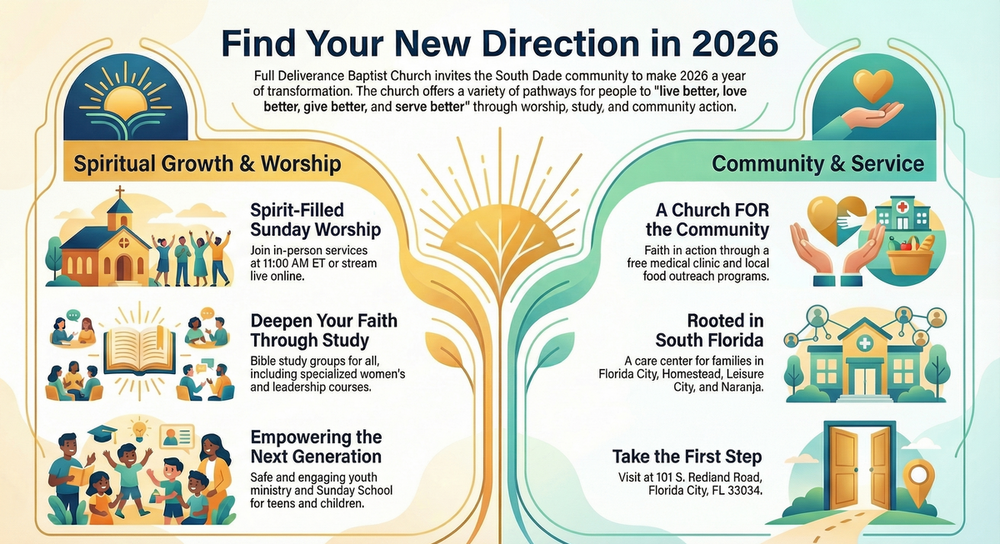
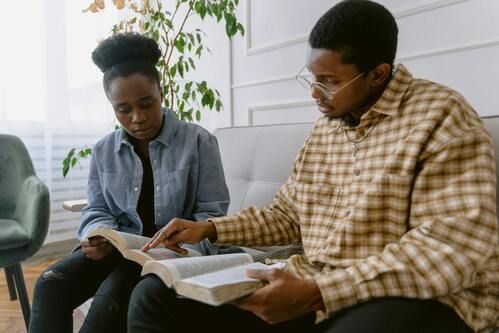
Talk about the text with others. Ask someone what they noticed in the passage and why. At Full Deliverance Baptist Church, adults gather for Bible study, and Transformational Sunday School offers another setting for learning together.
A beginner’s Bible study routine
For your next session, try this:
- Pray briefly before you read.
- Read one short passage twice.
- Write three observations about what the passage says.
- Check the context by reading the surrounding verses.
- Write one question you want to explore further.
- Choose one response connected to the passage and close in prayer.
You can use this routine on your own or bring your notes to a group discussion. As you learn, spend more time on the steps that help you understand the text.
Common questions about studying the Bible
What is the best way to study the Bible for beginners?
Begin with a short passage, a readable translation, and a simple routine you can repeat. The SOAP method is one option because it gives you clear prompts for reading, taking notes, responding, and praying. The best starting method is one that helps you pay attention to the passage and return to it consistently.
How long should I study the Bible each day?
Start with an amount of time you can realistically set aside. Ten to fifteen focused minutes can be enough to read a short passage and write a few notes. Some passages will call for more time or a follow-up conversation.
Where should I begin reading
The Gospel of John is one possible starting point because it introduces Jesus through a series of events and conversations. Read it in short sections. If you are following a church study or reading plan, you can begin with that passage instead.
How do I start a Bible study group?
Invite a few people who can meet regularly. Choose one book or short passage to study, ask everyone to read it beforehand, and use the same basic questions: What does it say? What is unclear? What can we learn from it? Leave room for prayer and for questions that need further study.
Continue studying with us
Bible study can begin at home and grow through conversation with others. Explore our ministries to learn about Bible study at Full Deliverance Baptist Church. If you would like to join us in Florida City, plan your Sunday visit. You can also contact the church to ask about current Bible study gatherings.